Key Takeaways
- Redness, swelling, and mild blistering are completely normal for up to two weeks after each laser session and typically resolve without intervention.
- Full healing between sessions usually takes about 4–6 weeks, and most patients need multiple sessions over several months for optimal results.
- Complete removal is not guaranteed—realistic expectations often include significant fading rather than perfectly blank skin.
- Factors like tattoo age, ink colors, body location, and overall health influence how quickly and thoroughly your tattoo fades.
- At Vitality Women’s Healthcare in Gainesville, TX, Dr. Amy Klein provides honest, individualized expectations at consultation and monitors healing at every visit.
Introduction: What Really Happens After Tattoo Removal?
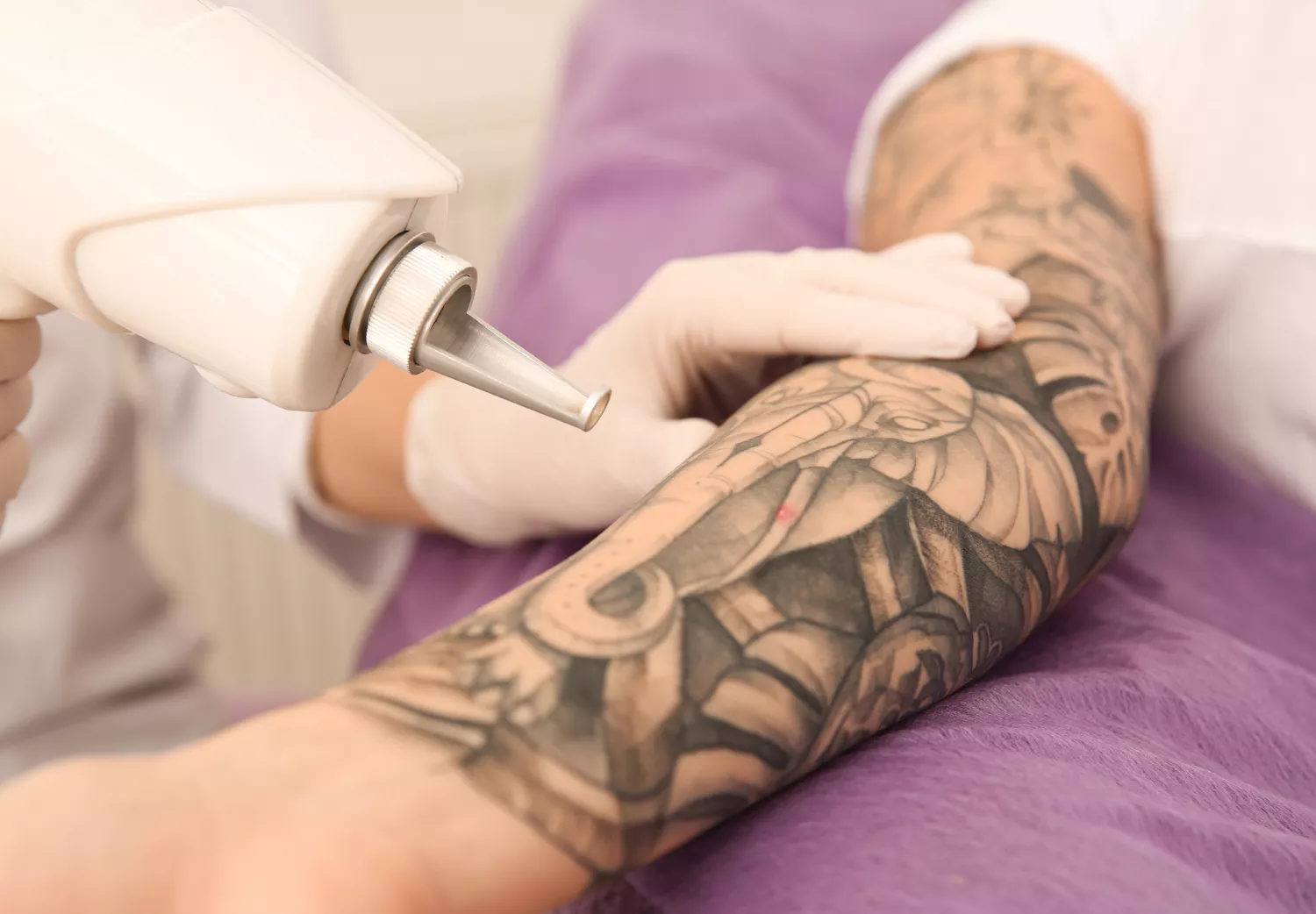
This comprehensive guide focuses specifically on what you will see and feel after each laser tattoo removal treatment—not just how the laser works, but the real day-by-day experience of healing and watching your unwanted tattoos fade.
Many women in Gainesville, TX seek tattoo removal because a design no longer fits their life, career, or aesthetic goals. Whether you’re preparing for a cover-up or want a clean slate, understanding the tattoo removal healing process helps you feel confident and prepared.
Dr. Amy Klein, board-certified by the American Board of Obstetrics and Gynecology, brings her patient-centered approach to aesthetics at Vitality Women’s Healthcare. Her goal is always honesty: tattoo removal is a process, not an instant erase. This article walks you through the healing timeline, possible side effects, skin appearance changes, and when to contact the clinic.
Immediately After Your Tattoo Removal Session
In the first 10–60 minutes after your laser tattoo removal procedure, your body begins responding to the treatment. Here’s what to expect:
Frosting: A temporary white or grayish haze appears over the treated area, caused by carbon dioxide gas forming in the upper skin layers. This is actually a positive sign that the laser effectively shattered the ink particles. Frosting typically fades within 30–60 minutes.
Common sensations include:
- Warmth similar to a fresh sunburn
- Stinging or tenderness to touch
- Occasional pinpoint bleeding in heavily inked areas
Visible changes:
- Redness around the tattooed skin
- Mild swelling and raised areas
- Tiny blisters forming in some patients
Before you leave Vitality Women’s Healthcare, the team will cool the treated area with an ice pack wrapped in cloth, apply a thin layer of ointment, cover it with a non-stick dressing, and provide written aftercare instructions. Discomfort typically improves significantly within the first 24–36 hours when you follow your treatment plan.

Day-by-Day Healing: The First Two Weeks
The tattoo removal healing process follows predictable stages after each laser session. These phases repeat with every treatment, so understanding them helps you know what’s normal.
Days 0–2 (Inflammatory Phase): This is when redness and swelling peak. Your skin may feel quite tender, and small blisters or mild crusting can develop. Keep your dressing clean and dry during this window. The skin’s barrier function is temporarily compromised, making proper care essential to prevent infection.
Days 3–7 (Proliferative Phase): Redness gradually decreases by 50–70%. If blisters formed, they begin to dry and form scabs. Itching becomes common as the skin starts repairing itself—this affects 60–80% of patients. The tattoo may appear darker initially as fragmented tattoo pigment migrates toward the surface.
Days 8–14 (Remodeling Phase): Most scabbing and crusting falls away naturally. Itching lessens as nerve regeneration completes. The skin begins looking more normal, though faint outlines of the tattoo remain visible.
Critical reminder: Avoid scrubbing the area, picking at scabs, or scratching. This is the period when scarring risk is highest. Let the skin heal naturally, and contact Dr. Klein’s team if symptoms seem worse than expected.
Healing Between Sessions: Weeks 3–6
Most laser treatment sessions at Vitality Women’s Healthcare are spaced about 6–8 weeks apart. This interval lets your skin and body’s immune system do their work.
At 3–4 weeks, surface changes have largely resolved. Some patients notice lingering pinkness or mild hyperpigmentation, especially those with melanin-rich skin tones. Compare your tattoo to pre-treatment photos—gradual lightening becomes more apparent.
The hidden work continues: Your body’s lymphatic system keeps clearing fragmented ink for weeks after each session. The immune system transports these tiny particles to the liver for excretion, which is why fading often becomes more noticeable in the second month post tattoo removal.
By 4–6 weeks, most patients have fully healed surface skin with no scabs, blisters, or open areas. This is why the interval is considered the minimum before your next laser removal session. Dr. Klein adjusts timing based on your individual healing speed and how the tattoo is responding—not a rigid calendar.
Even when skin “looks healed” on the surface, deeper processes are ongoing. Patience is essential for optimal results.
What Your Skin May Look Like After Each Treatment
Skin appearance changes over time and varies based on skin tone, tattoo age, ink colors, and body location.
Immediately after treatment:
- Red rim surrounding the tattoo
- Slight swelling creating a puffy feeling
- Frosting that fades quickly
- Occasional small blisters
During the first week: The tattoo may appear darker or more dense—this is normal and does not mean the treatment failed. As the body begins processing the shattered ink, the design takes on a patchy, speckled look.
Over several sessions: Progressive fading typically starts at the edges. The design becomes less sharp and more washed-out. Black and dark blue inks often show the most dramatic improvement.
Possible temporary skin changes:
- Hyperpigmentation (darker patches) in patients with more melanin
- Hypopigmentation (lighter patches), more common in lighter skin types
- Both typically resolve within 3–6 months with proper sun avoidance
When removal is complete or near-complete, the surrounding skin usually looks similar to untreated areas. However, some patients retain faint “ghosting” or mild textural differences. Dr. Klein documents each session with photos so you can track subtle improvements that are hard to notice day to day.
Realistic Results: How Much Will My Tattoo Actually Fade?
Complete removal cannot be promised for every tattoo. Setting realistic expectations protects you from disappointment and helps you make informed decisions.
Key factors influencing results:
- Tattoo age: Older tattoos (10+ years) fade 20–30% faster than newer ones
- Ink type: Professional inks require fewer sessions than amateur tattoos
- Color: Black and dark blues respond best; yellows and light greens are most stubborn
- Location: Ankles and feet clear 25% slower than upper arms due to reduced increased blood flow
- Skin health: Smokers experience 40% slower clearance
- Overall health: Staying hydrated and maintaining immune system vigor accelerates fading
Many black tattoos lighten 70–90% after 6–10 treatments and appear nearly gone to casual observers. However, bright colors may only partially fade even with advanced technology.
Some patients aim for “significant fading” to prepare for a cover-up rather than total erasure—this is a valid and often successful strategy. During your consultation, Dr. Klein reviews your specific tattoo, medical history, and shows examples of typical outcomes so you understand what’s achievable.
Potential Side Effects and When to Call the Clinic
Understanding the difference between normal side effects and warning signs protects both your results and your health.
Common, expected side effects:
- Redness, warmth, and swelling
- Mild blistering and itching
- Tenderness and slight textural changes
- Temporary darkening or lightening of skin
Less common but important risks:
- Prolonged blistering or thick scabs
- Significant pigment changes
- Mild scarring (especially if aftercare isn’t followed)
Red flags requiring immediate contact:
- Spreading redness beyond the treated area
- Severe pain that worsens instead of improves
- Yellow or green discharge or foul odor
- Fever above 100.4°F
- Rapidly growing blisters
Early contact allows Dr. Klein to assess and treat complications quickly. Patients with keloid history, autoimmune conditions, or certain medications have these risks discussed in-depth during consultation.
How Many Treatments Will I Need and How Long Will the Whole Process Take?
Most patients need more than one treatment—plan for a series of sessions over several months rather than expecting results after one visit.
Realistic ranges:
- Professional tattoos: 6–12 treatments
- Amateur tattoos: 10–15 treatments
- Session spacing: 6–8 weeks apart
- Total timeline: 9–18 months for most patients
Small, simple black tattoos may clear more quickly. Multicolored, dense, or large tattoos typically require additional sessions.
Noticeable fading sometimes appears after 1–3 sessions, but results are cumulative. At each visit, Dr. Klein reassesses progress and adjusts how many sessions remain. Lifestyle factors—stress, smoking, regular exercise, and general health—can slow or speed clearance, giving you some control over your timeline.
Aftercare Essentials to Support Healing and Results
What you do at home significantly affects both healing quality and final cosmetic outcome.
Core aftercare steps:
- Keep the affected area clean and dry initially
- Change dressings as instructed
- Use only recommended ointments (avoid self-chosen products)
- Apply a broad spectrum sunscreen once surface healing is complete
Protect your skin:
- Avoid sun exposure on the area covered for several months
- Wear tight clothing alternatives—loose, breathable fabrics prevent friction
- Gently wash with mild soap; avoid scrubbing
- Apply hydrocortisone cream only if recommended for itching
Activities to avoid:
- Picking at scabs or blisters
- Avoid submerging in hot tubs, pools, or lakes until fully healed
- Skip abrasive scrubs, retinoids, or acids near the treatment area
Systemic support:
- Stay hydrated—drink plenty of water
- Don’t smoke (it impairs lymphatic function)
- Maintain good overall health to help your immune system clear ink efficiently
Why Choose Vitality Women’s Healthcare for Tattoo Removal in Gainesville, TX?
Vitality Women’s Healthcare combines gynecology and aesthetics in a medically grounded environment, offering a higher standard of safety for tattoo removal than typical medspa settings.
Dr. Amy Klein is board-certified by the American Board of Obstetrics and Gynecology with extensive experience in both women’s health and aesthetic procedures. Her reputation in Gainesville reflects her honest, patient-centered approach—she carefully reviews each tattoo, explains realistic outcomes, and will tell you directly if complete removal is unlikely.
The practice uses modern laser technology and evidence-based protocols, balancing effectiveness with skin safety. This is especially important for women concerned about scarring or pigment changes.
You’ll receive thorough consultations, clear written aftercare instructions, accessible follow-up, and flexible treatment plans tailored to your goals—whether that’s full removal or fading for a cover-up.
Ready for your clean slate? Schedule a consultation in Gainesville, TX to have your tattoo evaluated and receive a personalized treatment and healing plan.
Frequently Asked Questions
Will my skin ever look completely “normal” again after tattoo removal?
Many patients heal with skin that looks very similar to surrounding areas, especially with proper aftercare. However, some people retain subtle differences—slight lightening, darkening, or a faint ghost image—particularly with large or heavily inked tattoos. Dr. Klein reviews your specific risks for texture or color changes during your consultation.
Can I go back to work or normal activities right after a session?
Most patients return to desk work and light activities immediately, though the area may feel fine but look red or swollen. Avoid heavy sweating, friction over the treatment site, or dirty water exposure until early healing is underway. Dr. Klein provides guidance based on your tattoo location—ankle tattoos might affect certain jobs differently than shoulder tattoos.
What if I am planning pregnancy or breastfeeding—does that change healing or timing?
Elective laser treatments are generally postponed during pregnancy as a precaution and sometimes delayed during breastfeeding. This doesn’t change long-term healing but may extend your overall treatment timeline. Discuss pregnancy plans with Dr. Klein so she can design a safe, appropriate schedule.
Can I combine tattoo removal with other aesthetic treatments?
Some treatments like injectables or microneedling can be part of a broader plan, but not usually on the same area and same day. Proper spacing prevents over-irritation and conflicting healing demands. At Vitality Women’s Healthcare, Dr. Klein coordinates procedures with safety as the priority.
How will I know when it’s time to stop treatments?
Treatments typically stop when additional sessions aren’t producing meaningful fading, the tattoo has reached your goal (light enough for a cover-up, for example), or risks begin to outweigh benefits. Dr. Klein reviews progress photos and discusses your goals at each visit—patients are never pressured to continue. The decision is collaborative, based on clinical judgment and your satisfaction.